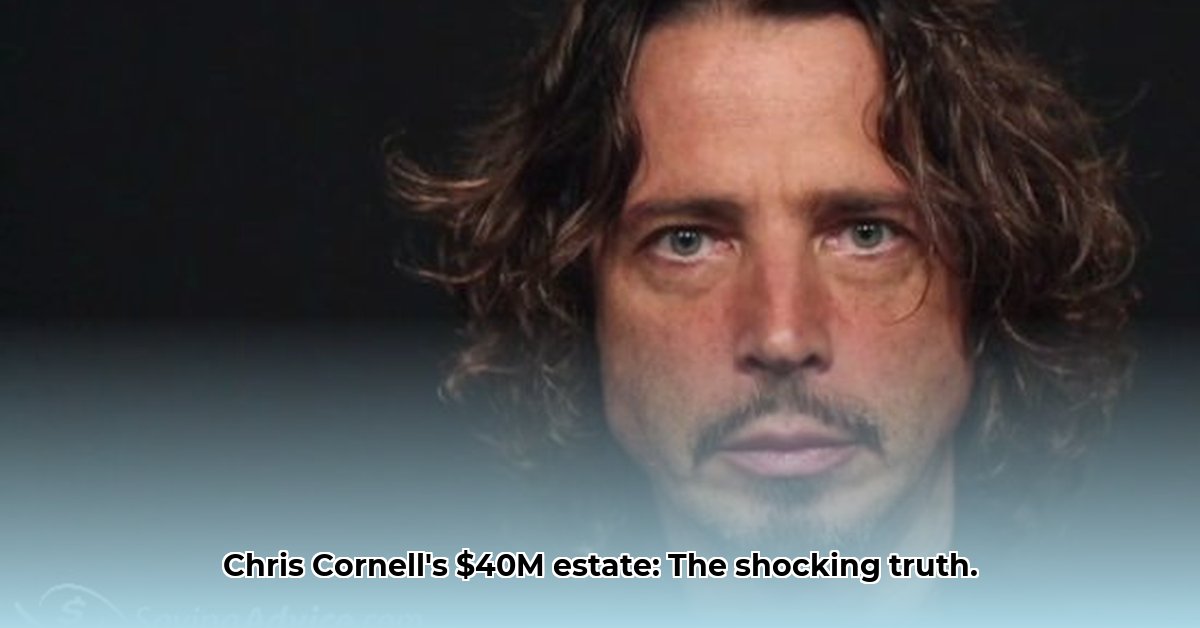
Net Worth of Chris Cornell: Estate Battles and a Legacy in Limbo
Chris Cornell's unexpected death in 2017 left behind a $40 million estate and a complex web of legal battles. His story highlights the critical need for comprehensive estate planning, particularly within the music industry. Even substantial wealth can become entangled in protracted legal disputes without proper preparation.
The Will: Simple Beginnings, Complex Outcomes
Cornell's will initially appeared straightforward, designating his wife, Vicky Karayiannis, and a family trust as primary beneficiaries. However, this simple plan quickly devolved into years of legal conflict, demonstrating how high-stakes financial situations and emotional factors can complicate even the best intentions.
Family Disputes: Royalties and Child Support Claims
A significant source of conflict stemmed from a lawsuit filed by Cornell's ex-wife, Susan Silver. The suit involves disputes over child support and her share of music royalties. While details remain largely confidential due to ongoing litigation, the case underscores the difficulties of disentangling financial ties after a divorce, especially with substantial sums of money derived from past achievements.
Soundgarden's Future: Control of a Musical Legacy
Adding to the complexity is the ongoing battle for control over Soundgarden's assets and online presence. This isn't merely a matter of social media; it’s a fight over substantial financial value associated with Cornell's image and musical output. While temporary settlements were reached in 2021, underlying issues remain unresolved, showcasing the importance of clearly defined legal frameworks for protecting a musician's post-mortem rights and future income.
Learning from Loss: Estate Planning for Musicians
Chris Cornell's estate battles serve as a cautionary tale. Proactive estate planning is not a luxury but a necessity, particularly for those in the music industry with complex financial holdings. Strong legal representation and a meticulously crafted estate plan are crucial for navigating the complexities of music royalties and intellectual property rights. Neglecting this area can lead to devastating financial and emotional consequences for families.
The Financial Fallout: Assessing the Risks
The following table highlights key risks associated with managing substantial estates, particularly within the music industry.
| Risk Factor | Likelihood of Occurrence | Potential Impact | Mitigation Strategies |
|---|---|---|---|
| Legal Disputes over Estate | Very High | Very High | Comprehensive estate planning, clearly defined distribution terms |
| Royalty Payment Disputes | High | High | Secure intellectual property rights, detailed contracts, independent financial reviews |
| Brand Management Issues | Moderate | Moderate | Establish strong governance structures, experienced brand management team |
| Negative Publicity/Damage to Reputation | Moderate | High | Proactive communication strategy, professional crisis management plan |
The financial ramifications of Cornell's death extend far beyond the initial $40 million estimate. The ongoing legal battles highlight the crucial need for meticulous estate planning within the entertainment industry.
How to Protect Musician's Music Royalties After Death
Chris Cornell's case underscores the vital importance of robust estate planning for musicians, particularly regarding the protection of music royalties after death. The resulting legal battles demonstrate the potential pitfalls of inadequate preparation.
Key Takeaways:
- Comprehensive Asset Inventory: Meticulously document all income streams.
- Professional Asset Valuation: Obtain expert valuation of music catalogs for accurate assessment.
- Strategic Trust Structures: Utilize trusts to manage assets and simplify distributions.
- Proactive Legal Counsel: Consult with an entertainment law specialist.
- Robust Copyright Protection: Ensure all copyrights are registered and protected.
- Regular Plan Reviews: Update your plan regularly to reflect changes.
Steps to Secure Your Musical Legacy:
- Detailed Asset Inventory: Create a complete list of all music-related assets.
- Professional Valuation: Engage a music industry valuation specialist.
- Legal Consultation: Consult an experienced entertainment attorney.
- Trust Establishment: Consider establishing a trust to manage royalties.
- Tax Planning: Minimize tax liabilities through expert tax advice.
- Meticulous Documentation: Maintain detailed records of all transactions.
- Regular Updates: Regularly review and update your estate plan.
Avoiding the Pitfalls: Lessons from Chris Cornell
Cornell's experience serves as a stark warning: proactive planning is crucial. The absence of a comprehensive estate plan led to costly and time-consuming legal battles. By taking proactive steps, musicians can secure their legacies and avoid similar difficulties.